Subtotal ₹0.00

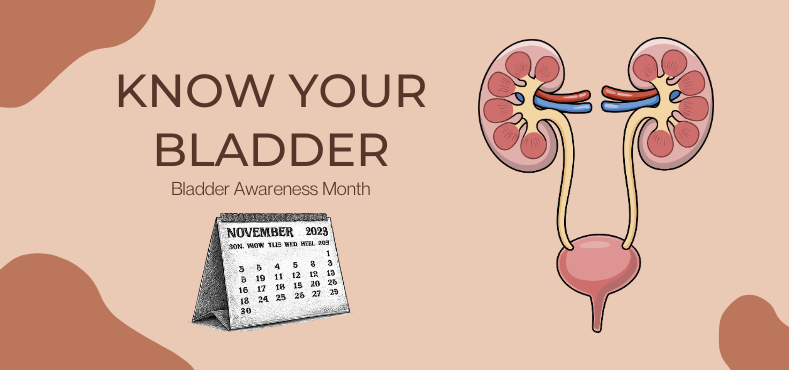
Your bladder is one of the most hardworking organs in your body. Although you may not think about it often, it constantly supports your daily comfort, hydration, and overall health. But when something goes wrong, the bladder rarely stays silent. It begins to send signals — sometimes small, sometimes alarming — to warn you that it needs attention.
Many people ignore these early signs, assuming they are normal or temporary. However, your bladder’s signals are often meaningful. Understanding them can help you avoid infections, discomfort, and long-term urinary issues.
Let’s look at the common signs your bladder may be trying to communicate and what they can mean for your health.
Frequent Urination: Are You Going Too Often?
If you feel the urge to urinate more often than usual, your bladder might be reacting to irritation, infection, high fluid intake, or even stress. While occasional frequent urination is normal, it becomes a concern when it interrupts your sleep or daily activities.
Possible reasons:
- Urinary Tract Infection (UTI)
- Overactive bladder
- High caffeine intake
- Diabetes
- Anxiety or stress
Ignoring these signs may worsen symptoms, so monitoring your routine is important.
Pain or Burning While Urinating
A burning sensation is never a normal signal. This is often your bladder’s way of alerting you to an infection or inflammation.
Common causes include:
- UTI
- Kidney infection
- Dehydration
- Bladder stones
If this symptom appears alongside cloudy urine or lower abdominal pain, your body is clearly asking for help.
Lower Abdominal or Pelvic Discomfort
A heavy or pressured feeling in your pelvis can be a sign of bladder irritation. While mild discomfort can happen after holding urine for too long, persistent pain may point to deeper issues.
It may indicate:
- Cystitis
- Inflammation of the bladder wall
- Post-menstrual sensitivity
- Hormonal changes
Listening to this pain early can prevent complications.
Strong or Unpleasant-Smelling Urine
Your urine’s color and smell are powerful indicators of your bladder’s health. Although foods like asparagus or dehydration can change urine odor temporarily, a consistently strong smell may suggest an infection.
Watch out for:
- Dark yellow urine
- Cloudy urine
- Foul smell
- Visible sediment
These signs shouldn’t be ignored.
Difficulty Holding Urine
Do you feel sudden, uncontrollable urges? Or maybe slight leaks when laughing, coughing, or lifting something?
This may be caused by:
- Weak pelvic floor muscles
- Overactive bladder syndrome
- Post-pregnancy changes
- Aging
- Chronic constipation
Ignoring these symptoms often makes them stronger over time.
Waking Up Many Times at Night
Night-time urination, or nocturia, affects many people. However, when it happens every night, your bladder may be signaling a problem.
Possible causes:
- Habit of drinking too late
- Diabetes
- Enlarged prostate (in men)
- Hormonal imbalance
- Bladder irritation
Quality sleep plays a huge role in overall wellness, so nighttime bladder disturbances should be taken seriously.
How to Support a Healthy Bladder — Natural & Ayurvedic Approach
Ayurveda believes that urinary health depends on maintaining a balance of hydration, digestion, and kidney function. Natural herbs can support the bladder by reducing inflammation, soothing irritation, and promoting proper urine flow.
Helpful Ayurvedic ingredients:
- Punarnava – reduces swelling and supports kidney function
- Gokshura – promotes urinary comfort
- Varuna – supports bladder cleansing
- Giloy – boosts immunity
- Bhumyamalaki – helps maintain urinary wellness
Your daily habits matter too. Drinking enough water, avoiding excessive caffeine, and keeping your pelvic muscles strong all contribute to a healthier bladder.
When Should You See a Doctor?
You should seek medical advice if you notice:
- Blood in urine
- Severe abdominal pain
- Fever with urinary symptoms
- Urine leakage that affects daily life
- Symptoms persisting beyond 48–72 hours
Early diagnosis prevents complications and ensures proper treatment.
Final Thoughts
Your bladder speaks through sensations, habits, and changes — and listening to these signs can help you stay healthy. When you respond early, you avoid discomfort and protect your urinary system for the long run. Whether through simple lifestyle changes or supportive Ayurvedic herbs, taking care of your bladder today ensures comfort and balance tomorrow.